Longji Rice Terraces
650-year-old stepped rice fields carved into mountains by Zhuang and Yao people. Everything you need to plan the trip from Guilin.
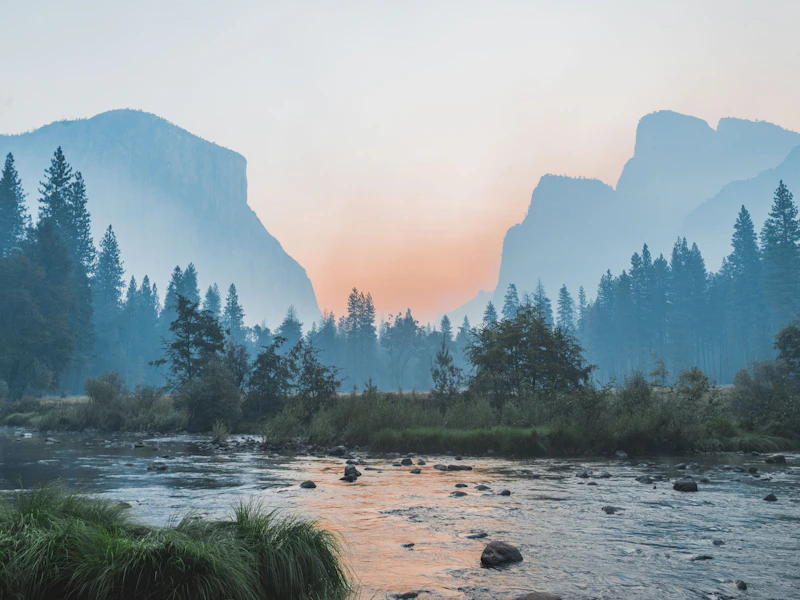
What Are the Longji Rice Terraces?
The Longji (Dragon's Backbone) Rice Terraces are a vast network of stepped rice paddies built into the mountains over 650 years ago by the Zhuang and Yao ethnic minorities. Located about 80 km north of Guilin, they're a half-day trip from Guilin or a full-day excursion from Yangshuo. The terraces change dramatically with the seasons: flooded and reflective in spring, lush green in summer, golden in autumn, and sometimes dusted with snow in winter.
Is It Worth the Detour?
Yes, if you have at least 4 days in the region. With only 3 days, the travel time (2 hours each way from Guilin) eats into your Yangshuo time. If you have 4-5 days, Longji is a fantastic addition that shows a completely different side of the Guilin region — ethnic minority culture and agricultural landscapes rather than river-and-karst scenery. See our 5-day itinerary for how to fit it in.
The Two Main Areas
Ping'an Village
The more developed and accessible area. Two main viewpoints — Seven Stars with Moon and Nine Dragons and Five Tigers — connected by stone paths. Good for first-time visitors. The village itself has restaurants, guesthouses, and Yao women who'll offer to pose for photos (for a small fee of 10-20 RMB). The walk between the two viewpoints takes about 40 minutes. Ping'an is best for a day trip — you can see both viewpoints and be back in Guilin by evening.
Jinkeng (Dazhai) Village
Larger, more dramatic, and less crowded. The terraces here are bigger and steeper. Three viewpoints — West Hill Music from Paradise (for sunrise), Thousands of Layers to Heaven (the highest), and Golden Buddha Peak (for sunset) — accessible by hiking paths or a cable car. Jinkeng is better for serious photographers and hikers, but it's farther from the entrance and takes more time. If you're staying overnight, Jinkeng is the better choice.
Hiking Between Viewpoints
Ping'an Routes
The two viewpoints are connected by well-marked stone paths. Allow 1.5-2 hours to visit both at a comfortable pace. The paths go through the terraces themselves — you're walking along narrow ridges between flooded rice paddies. Wear shoes with good grip; the stones can be slippery when wet.
Jinkeng Routes
The three viewpoints form a rough triangle. Walking between all three takes 3-4 hours. The cable car runs from the village entrance to Golden Buddha Peak (60 RMB one-way, 100 RMB round trip). A popular strategy: cable car up to Golden Buddha for sunrise, hike down to West Hill, then walk to Thousands of Layers for the afternoon light.
Seasons Guide
| Season | Months | What You See | Photo Rating |
|---|---|---|---|
| Spring Flooding | May-Jun | Paddies flooded, mirror-like reflections of sky | ★★★★★ |
| Summer Green | Jul-Aug | Lush green rice stalks, most vibrant color | ★★★★ |
| Autumn Gold | Sep-Oct | Rice turns golden before harvest, best light | ★★★★★ |
| Winter Frost | Dec-Feb | Brown earth, occasional snow, no crowds | ★★★ |
The rice planting happens in late May, and the harvest in early October. The terraces are at their most photogenic in the 2-3 weeks after flooding (late May to mid-June) and the 2-3 weeks before harvest (late September to early October).
Practical Info
- Entrance fee: 80 RMB (includes access to all villages and viewpoints)
- Cable car (Jinkeng only): 60 RMB one-way, 100 RMB round trip
- Getting there: Direct bus from Guilin Bus Station (near Guilin Railway Station) to Longji — 2-2.5 hours, ~40 RMB. Buses run every 60-90 minutes from 7 AM to 4 PM. From Yangshuo, take a bus to Guilin first (1.5h, 25 RMB) then transfer. A private car from Guilin costs 400-600 RMB round trip — worth it for 2+ people.
- Best time to start: Leave Guilin by 7:30 AM to arrive at the terraces by 10 AM. This gives you 4-5 hours of hiking before the afternoon bus back.
- Stay overnight? Recommended for photographers wanting sunrise. Guesthouses in Ping'an and Jinkeng run 100-400 RMB/night. Book on Trip.com or call ahead — mountain guesthouses fill up during peak seasons.
- Walking difficulty: Moderate. The paths are stone steps — lots of them. Not suitable for anyone with knee problems or limited mobility. The cable car at Jinkeng provides wheelchair access to one viewpoint.
Local Culture
The terraces are still worked by Zhuang and Yao minority families who live in the villages year-round. You'll see farmers tending the paddies, water buffalo being led along the paths, and women in traditional embroidered clothing. The Yao women are famous for their long hair (some over 1.5 meters) and will demonstrate hair-combing for visitors. They sell handmade embroidery, silver jewelry, and local tea. Bargaining is expected — start at 50% of the asking price.
Consider eating at a local guesthouse rather than the larger tourist restaurants. Dishes like bamboo rice (rice and pork stuffed into bamboo and roasted), smoked pork with pickled vegetables, and wild mountain vegetables are regional specialties. A meal for two runs 60-100 RMB.
Continue Reading